




Drain Choke Problems in Singapore: Causes and Practical Solutions
Key Takeaways
- Clogged bathroom and kitchen drains often develop gradually due to daily habits and environmental factors.
- Improper waste disposal and ageing pipe systems contribute to recurring clogging issues.
- Persistent blockages may require professional tools and expertise to fully resolve.
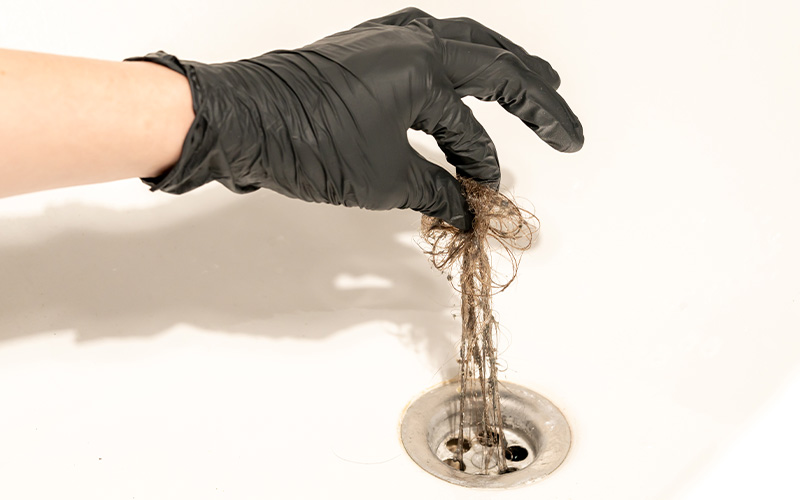
Drain choke issues are among the most frequent household problems in Singapore. Whether you live in an HDB flat or a private condominium, slow-draining sinks and water pooling around floor areas can quickly become frustrating. Most cases of clogged drainage do not happen overnight. They build up slowly through everyday use, influenced by our habits, humidity and even the local plumbing design found in many homes.
Understanding what causes these blockages, how to address them properly and when you may need professional plumber repair work can save you from unpleasant odours, water damage and repeated repair costs.
Accumulation of Hair, Grease, and Food Waste
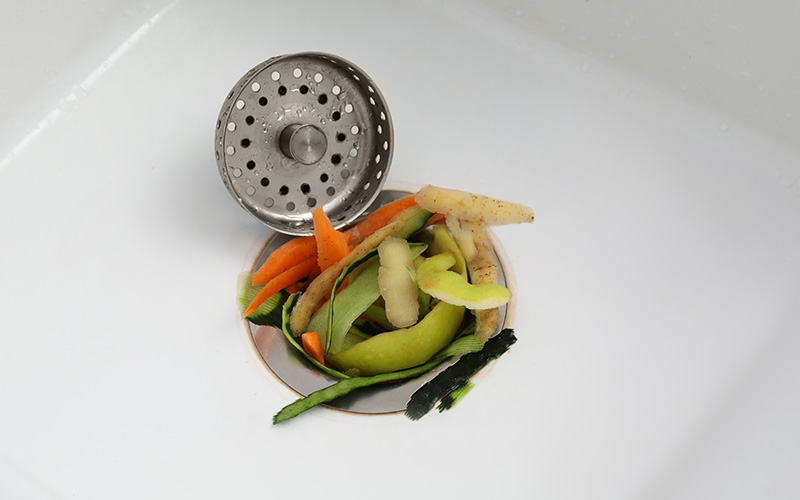
In bathrooms, strands of hair and soap residue often cling to the inner walls of pipes. Over time, these materials combine into dense clumps that restrict water flow. In kitchens, cooking oil and food particles create a sticky layer inside pipes. As more waste passes through, it attaches to this layer, narrowing the pipe further.
It may begin as a slow drain. Water lingers for a few extra seconds before disappearing. Eventually, the restriction becomes significant enough to cause drain chokes that disrupt daily routines.
Regular cleaning of strainers and mindful disposal of grease can reduce the likelihood of these build-ups, yet many households overlook these small but important habits.
Improper Disposal of Waste and Foreign Objects
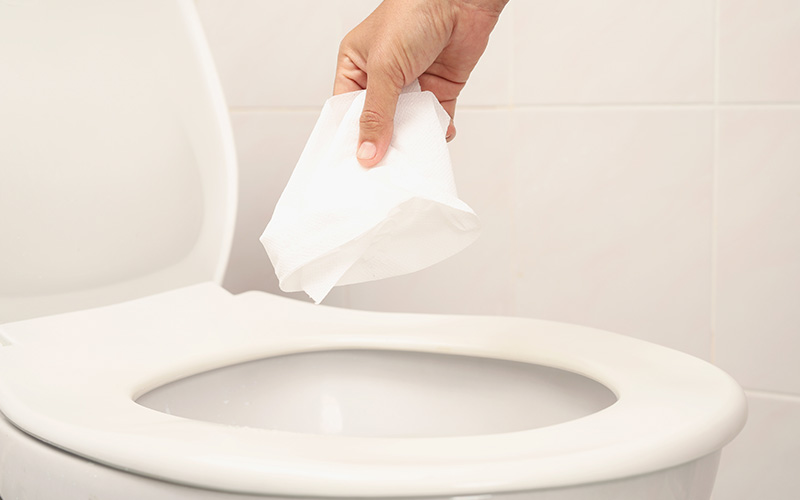
Many stubborn blockages originate from items that should never enter the drainage system. Wet wipes, sanitary products, cotton pads and paper towels do not dissolve easily. Once flushed or washed down the sink, they remain intact and accumulate within pipes.
In Singapore’s plumbing infrastructure, these materials can quickly form solid obstructions. What appears to be a minor issue can escalate into severe clogging, especially when combined with grease or hair already lining the pipes.
Being attentive and diligent about what goes down your drains may seem obvious, yet it remains one of the most common oversights in modern households.
Floor Trap and Pipe Design Limitations
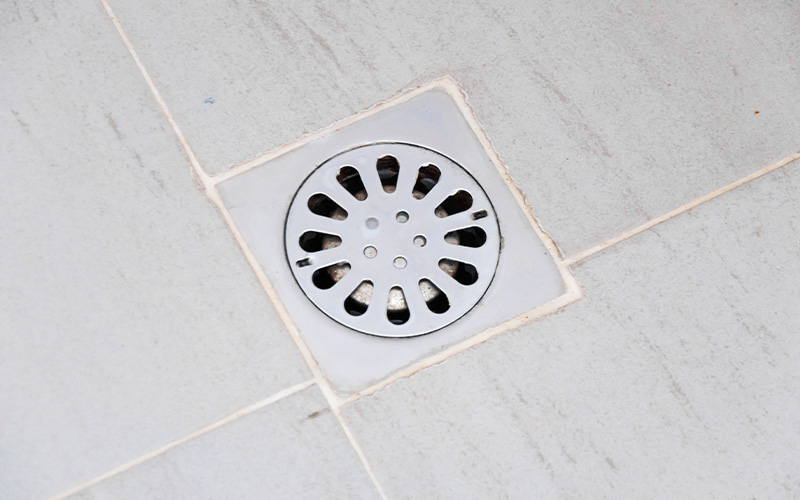
Most homes in Singapore rely on floor traps to prevent odours and pests from entering living spaces. These traps are effective barriers, but they also collect dirt, residue and debris over time.
Older pipes or systems that have not been maintained regularly are particularly vulnerable. The narrow bends and water seals in floor traps can restrict flow when sediment accumulates. When maintenance is neglected, slow drainage gradually turns into recurring clogging that affects bathrooms and service yards alike.
Understanding how the local plumbing design functions helps you recognise why certain areas are more prone to blockages than others.
DIY Clearing Methods and Their Limitations
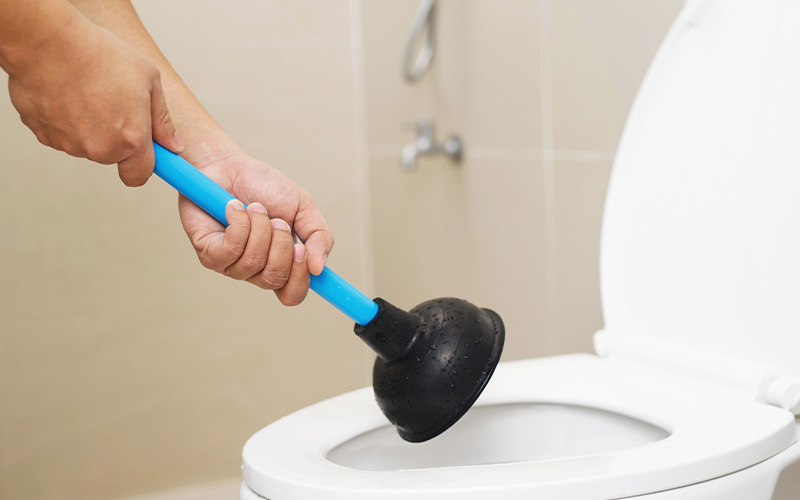
When faced with slow drainage, many homeowners turn to plungers or boiling water. These methods can be effective for surface-level obstructions. Mild drain cleaners may also dissolve light grease build-up.
However, repeated or severe clogged drainage often extends deeper within the piping system. Harsh chemical cleaners can corrode pipes if overused, potentially leading to further damage.
If the same drain continues to clog despite multiple attempts at clearing, the blockage is likely beyond the reach of basic tools. In such cases, temporary fixes may only delay the inevitable need for professional intervention.
Step-by-Step Guide to Handling a Drain Choke at Home
If you notice water draining slowly or pooling around sinks and floor areas, acting early can prevent a full blockage. The following steps provide a practical way to manage minor drain choke issues before they worsen.
Step 1: Identify the Affected Drain
Begin by determining where the blockage is occurring. Check whether the issue affects only one fixture, such as a bathroom sink, or multiple areas like showers and floor traps. A single slow drain often indicates a localised obstruction, while several affected drains may suggest a deeper pipe issue.
Step 2: Remove Visible Debris
Open the drain cover or floor trap and inspect the area for visible hair, soap residue, or food waste. Wearing gloves, remove any debris that has accumulated near the surface. This simple step often restores proper flow when the blockage is still close to the opening.
Step 3: Flush with Hot Water
Pour a steady stream of hot water down the drain to help loosen grease or soap build-up along the pipe walls. This method works particularly well in kitchen sinks where cooking oils may have solidified inside the pipes.
Step 4: Use a Plunger to Dislodge the Blockage
If the water continues to drain slowly, a plunger can help create pressure that loosens trapped debris. Ensure there is enough water in the sink or floor area to form a seal around the plunger before pumping steadily several times.
Step 5: Observe the Drain’s Behaviour
After clearing attempts, monitor how the drain performs over the next few hours. If water begins to flow smoothly again, the blockage was likely minor and successfully removed.
Step 6: Escalate When the Problem Persists
If the drain continues to clog, produces unpleasant odours, or causes water to back up repeatedly, the obstruction may lie deeper within the piping system. At this stage, further DIY attempts may provide only temporary relief and professional assessment becomes the safer option.
When Professional Drain Cleaning Is Necessary
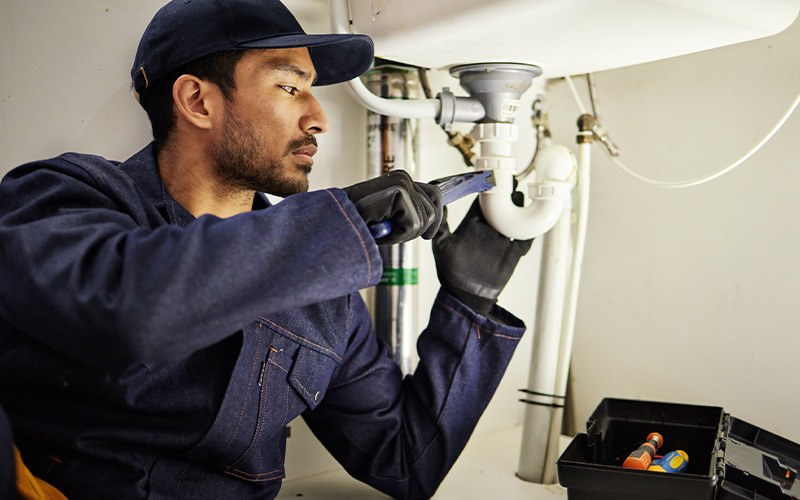
Persistent slow drainage, foul smells, or water backing up into sinks and showers are signs that professional help may be required. Experienced plumbers use specialised equipment such as drain snakes and high-pressure jetting tools to clear deep obstructions safely.
If the issue is linked to pipe damage or concealed cracks, it may even require water pipe leakage repair to prevent long-term structural problems. These professional plumbing services can assess the root cause and recommend the appropriate solution rather than applying temporary patches.
To minimise the risk of recurring issues and repair costs, we recommend doing proper research that will help you pick out the best plumbing service for your needs.
Clogged drainages are rarely random. They develop gradually through daily habits, unsuitable disposal practices, ageing systems and design limitations. By understanding the root causes, you can take preventive steps and recognise when professional help is necessary.
ComeNow is a one-stop platform that connects homeowners with some of the best plumbers in Singapore, allowing you to compare prices and reviews to make informed decisions. Instead of searching endlessly, you can now easily identify the best plumbing service tailored to your specific drainage issues.
Besides plumbing, our platform also caters to a wide range of providers. For instance, you can easily view the cost of fixed-price services like cleaning and aircon servicing at a glance, while other services allow you to get up to five quotes with one booking. Ratings and reviews are also freely available, so you can build a clearer impression of each option.
Looking for reliable plumbing solutions? Contact us today and find the right professional support.