A simple way to compare trusted professionals for floor repair, helping you fix damaged surfaces, restore safety, and maintain the condition of your floors with confidence.
Damaged floors can affect both safety and appearance. The providers below offer floor repair support for different materials and conditions, allowing you to compare experience, reviews, and years in operation before deciding who to engage.
1
MrWoodVarnish™
If your flooring issues involve timber or wood surfaces, MrWoodVarnish™ may be worth considering due to its long-standing experience in handling worn or damaged wooden floors.
1 Rating
16 years in business
2
Gleaming
Gleaming is a younger provider with positive early feedback. It may suit you if you are looking for a newer team to handle minor to moderate repair work.
1 Rating
3 years in business
3
Fazlink Solutions
With a higher number of reviews, Fazlink Solutions gives you more customer feedback to reference when comparing reliability and consistency across repair jobs.
23 Ratings
7 years in business
4
MCL Flooring
Although newly listed, MCL Flooring brings many years of industry experience. This may appeal if you prefer established expertise for more involved floor repair work.
NEW
15 years in business
5
KLY Renovation
KLY Renovation has extensive experience across renovation projects. It may be suitable if floor repairs are part of a larger refurbishment or improvement plan.
Floor issues often start small but can worsen quickly if ignored. Timely floor repair helps protect your space, improve safety, and avoid more disruptive or costly work later on.
Prevent small damage from becoming expensive replacement work
Minor cracks, chips, or loose sections can spread over time. Addressing them early helps you avoid full floor replacement and larger repair costs.
Improve safety from trip hazards and sharp edges
Loose tiles, raised boards, or uneven surfaces increase the risk of trips and falls. Repairs help restore a level, secure walking surface.
Protect the subfloor from water damage, mould, and rot
Damaged flooring can allow moisture to seep into the subfloor. Repairing gaps and weak spots reduces the risk of long-term structural damage.
Restore appearance and increase home value
Well-maintained floors improve how a space looks and feels. Repairs can make interiors appear cleaner and more cared for, which helps when selling or
renting a property.
Avoid pest and dust buildup in gaps and broken grout lines
Cracks and gaps can trap dirt or attract pests. Sealing and repairing damaged areas helps keep floors cleaner and easier to maintain.
Maintain hygiene and make cleaning easier
Smooth, intact flooring surfaces are easier to clean and less likely to collect grime, supporting better hygiene in both homes and workplaces.
COMMON FLOOR PROBLEMS THAT NEED REPAIR
Floor damage can show up in different ways depending on material, usage, and exposure to moisture. Identifying these issues early helps you plan timely floor repair before the damage spreads further.
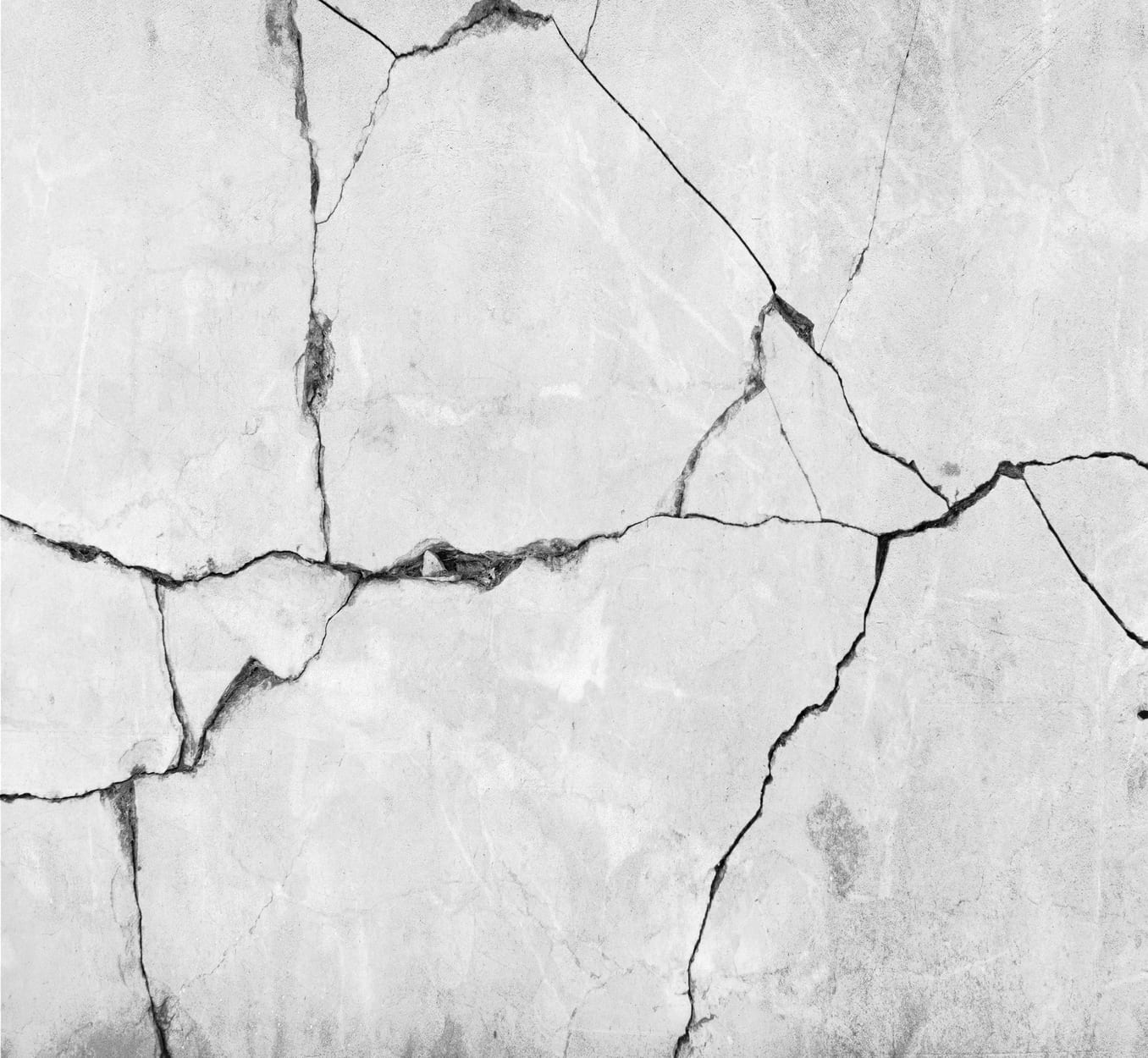
Cracked or loose tiles
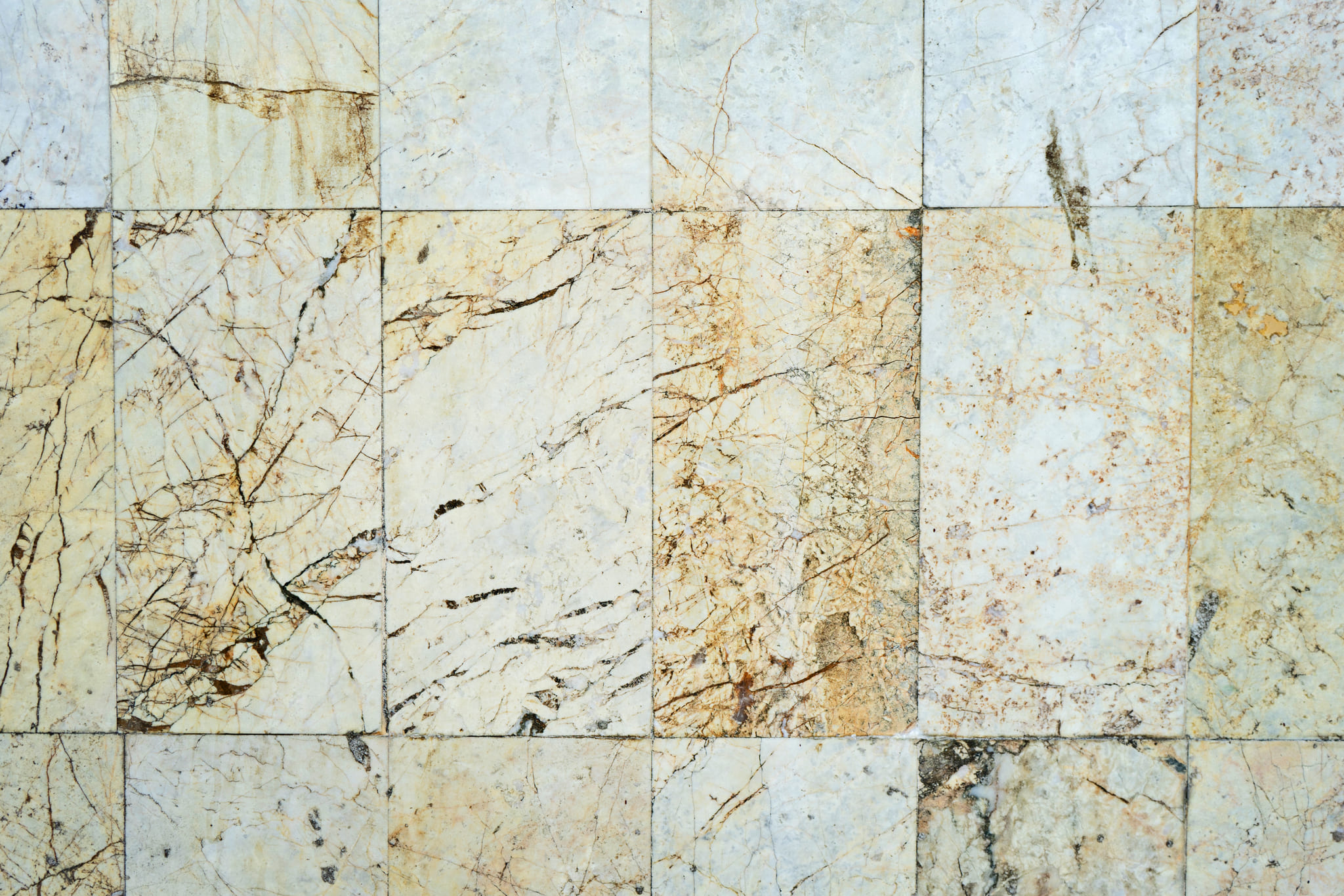
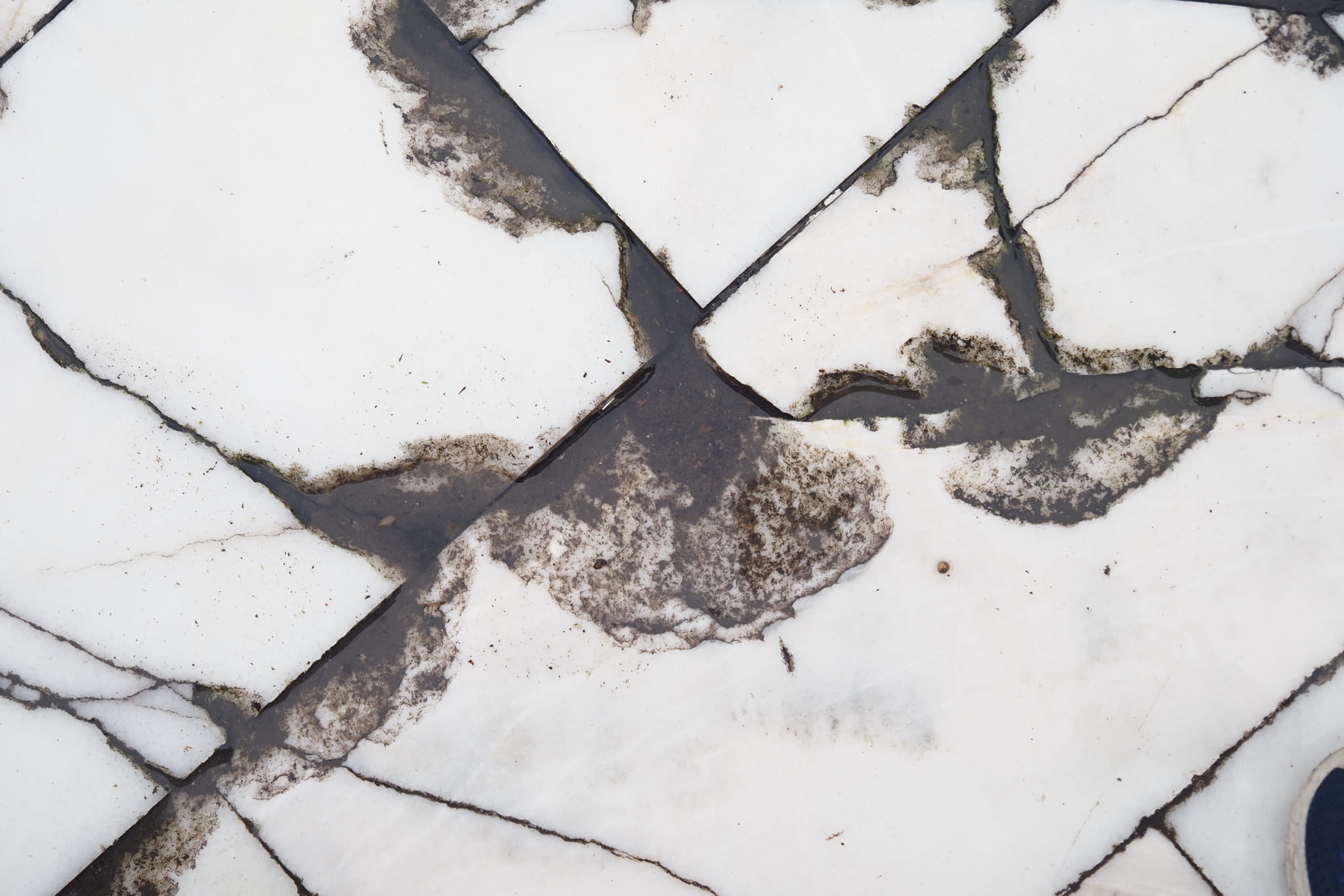
Cracks, hollow sounds when tapped, or tiles that shift underfoot often indicate weakened adhesive or subfloor movement. These issues can worsen if left unattended.
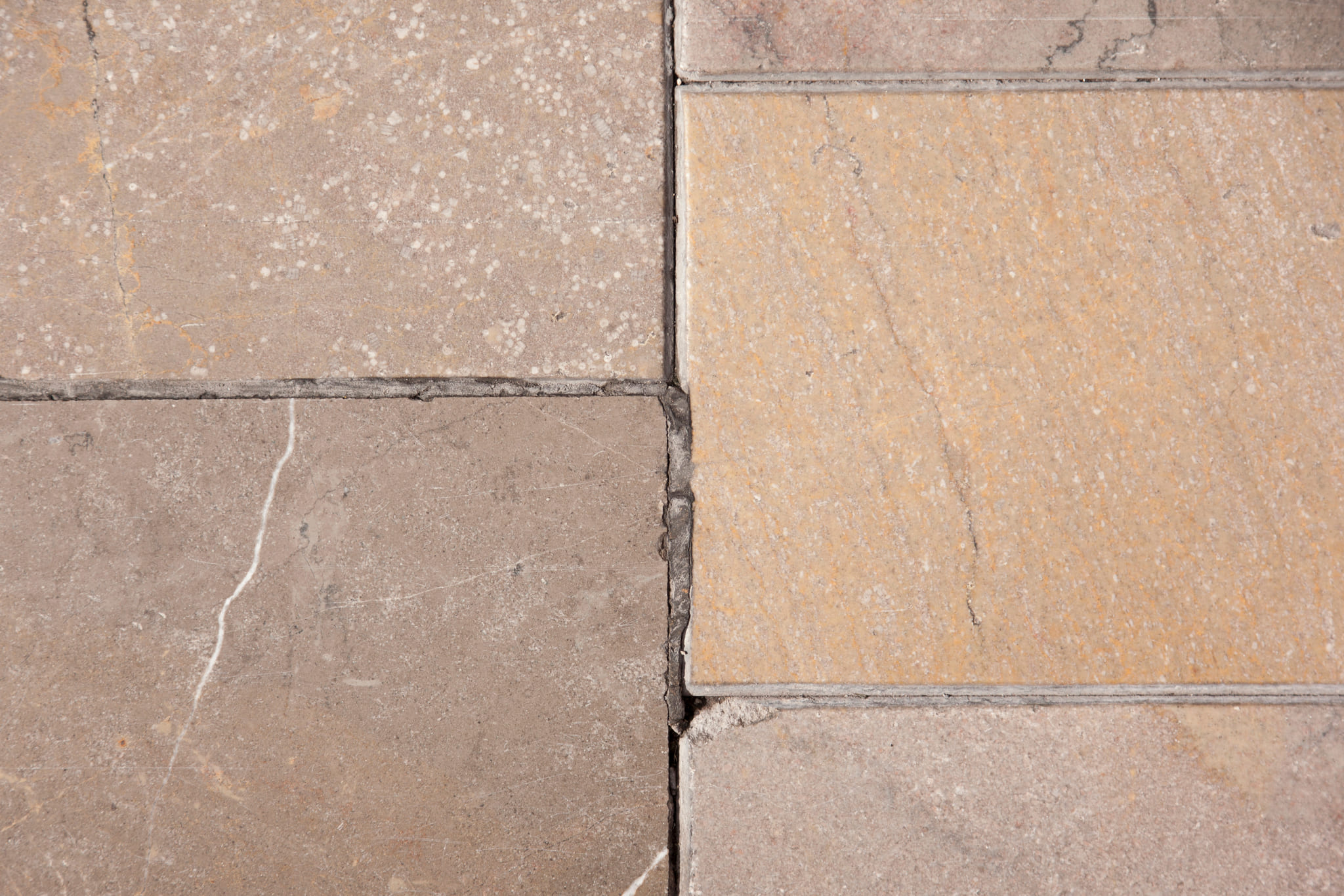
Uneven floors or lippage between tiles
Raised edges between tiles, also known as lippage, can create trip hazards and affect the overall appearance of the floor.
Water damage and swelling
Exposure to moisture can cause flooring materials to swell, warp, or soften, especially in laminate or parquet floors. Repairs help prevent deeper structural damage.
Deep scratches, dents, and chipped edges
Heavy furniture, impact, or daily wear can leave visible damage on flooring surfaces. Targeted repairs can restore both function and appearance.
Stains, discolouration, and dull finish
Persistent stains or uneven colour may signal surface damage that cannot be resolved through cleaning alone.
Grout damage, gaps, or missing grout
Broken or missing grout allows dirt and moisture to seep through. Repairing grout lines helps stabilise tiles and improve hygiene.
Creaking floors or loose boards
Noisy floors or boards that move underfoot often point to loosened fixings or underlying wear, which should be addressed to prevent further deterioration.
HOW THE FLOOR REPAIR PROCESS WORKS
Understanding the steps involved helps you know what to expect when arranging floor repair. While details may vary depending on the issue and material, the process generally follows a clear and structured flow.
Site inspection and moisture check
The provider assesses the damaged area, checks floor conditions, and looks for signs of moisture or underlying issues that may affect the repair approach.
Quotation and repair plan
Based on the inspection, a repair plan is proposed outlining the scope of work, methods involved, and estimated timeline before work begins.
Surface preparation and protection
The surrounding area is prepared and protected to prevent dust, debris, or accidental damage during the repair process.
Repair work
Depending on the problem, repairs may include patching damaged sections, replacing loose materials, levelling uneven areas, or restoring grout lines.
Finishing and clean-up
Once repairs are completed, the surface is finished through polishing, sealing, or cleaning to blend with the existing floor and leave the area ready for use.
FAQs About Floor Repair in Singapore
These questions help clarify when floor repair is suitable, what issues can be fixed, and what to expect before deciding on repair or replacement.
How do I know if my floor needs repair or a full replacement?
If the damage is localised, such as cracks, loose tiles, or surface wear, repair is often sufficient. Full replacement is usually considered when damage is widespread, structural, or recurring despite previous fixes.
What causes floor tiles to become hollow or sound “empty” when tapped?
Hollow sounds typically indicate weakened adhesive or air pockets beneath tiles. This can result from age, moisture, or subfloor movement and is often addressed through targeted repair.
Can you repair uneven tiles that create a raised edge (lippage)?
In many cases, yes. Uneven tiles can sometimes be levelled or reset depending on the cause and severity. Severe lippage may require partial tile replacement.
Can water-damaged parquet or hardwood be repaired, or must it be replaced?
Minor water damage may be repaired through drying, patching, or refinishing. Extensive swelling, warping, or rot usually requires replacement of affected sections.
What’s the best way to repair deep scratches on vinyl or SPC flooring?
Shallow scratches may be improved with surface treatments, while deeper damage often requires patch repairs or plank replacement. In some cases, homeowners compare options alongside floor polishing services in Singapore when assessing surface restoration.
How much does floor repair usually cost in Singapore?
Costs depend on floor type, extent of damage, accessibility, and materials required. Minor repairs are typically more affordable, while extensive or concealed damage may increase costs after inspection.
If you need more clarity before deciding on the next step, please contact us for assistance.
When you’re ready to proceed, you may book now through the platform.